This glossary is about the topic of nuclear medicine. There is going to be a few words that people can learn about that subject. And they get to know more about that field.
aorta
noun
The main artery of the body, supplying oxygenated blood to the circulatory system. In humans it passes over the heart from the left ventricle and runs down in front of the backbone.
Example: No abnormal results Duplex scan (Right leg): AORTA - Clear and normal size Iliacs, CFA, profunda origin and SFA - Clear Popliteal - Occluded 1.3cm diameter aneurysm just above knee.
en: aorte
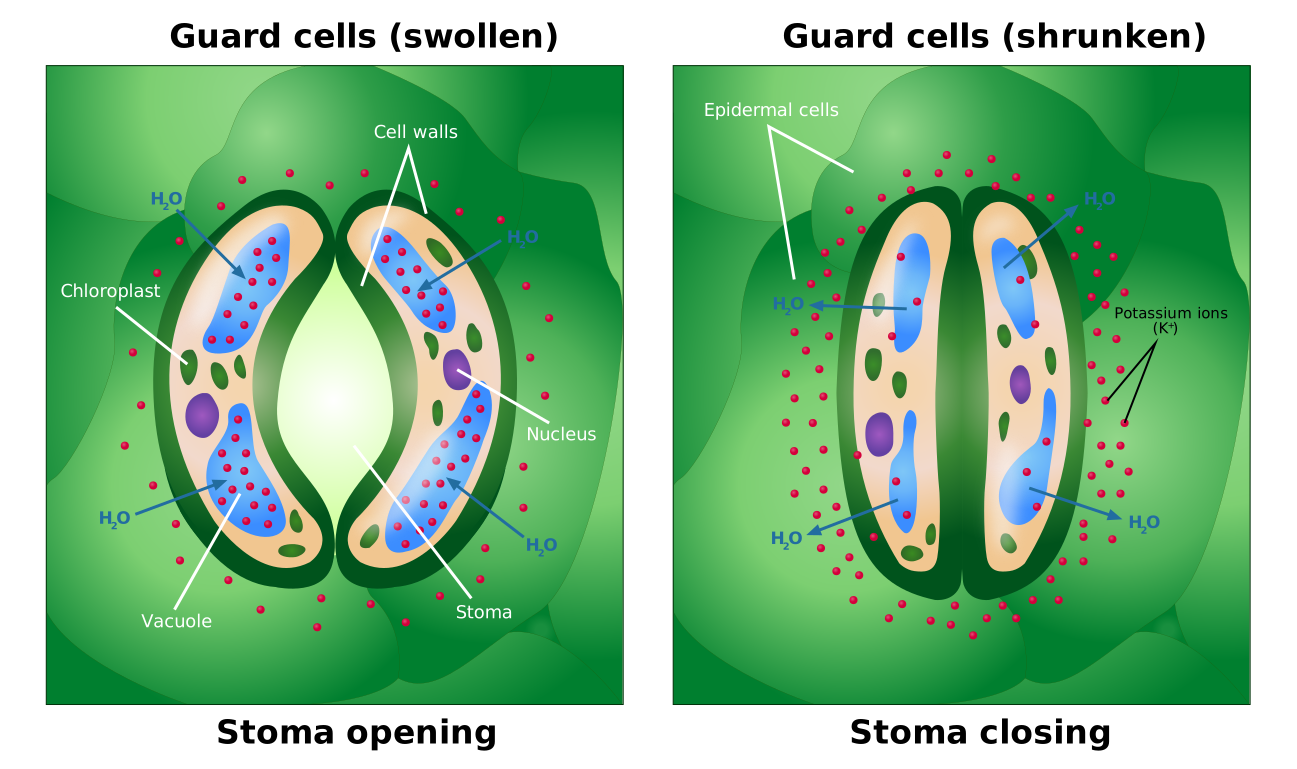
cells
noun
The smallest structural and functional unit of an organism, typically microscopic and consisting of cytoplasm and a nucleus enclosed in a membrane. Microscopic organisms typically consist of a single cell, which is either eukaryotic or prokaryotic.
Example: In symbiotic theories it is thought that certain eukaryotic organelles evolved from prokaryotic organisms, which entered into symbiosis with an ancestor of eukaryotic CELLS, "the protoeukaryote".
en: cellules
Diagnostic
adjective
The practice or techniques of diagnosis.
Example: By using a family based DIAGNOSTIC approach and specialist counselling skills it can help families make informed decisions.
en: Diagnostique
glands
noun
An organ in the human or animal body which secretes particular chemical substances for use in the body or for discharge into the surroundings.
Example: PAs are the commonest cause of a lump in the parotid or submandibular GLANDS, and are a common cause of neck lumps overall.
en: glandes
glucose
noun
A simple sugar which is an important energy source in living organisms and is a component of many carbohydrates.
Example: However, the equilibrium of the reaction shifts in favour of glycogen breakdown since, in vivo , the [Pi]
[GLUCOSE 1-phophate]
ratio is usually greater than 100 (Stryer et al., 2002). A phosphorolytic cleavage is energetically advantageous here since the GLUCOSE molecule released is already phosphorylated. GLUCOSE 1-phosphate can be easily and readily converted into GLUCOSE 6-phosphate (rather than phosphorylating GLUCOSE produced from a hydrolytic cleavage at the expense of a molecule of ATP).
en: glucose
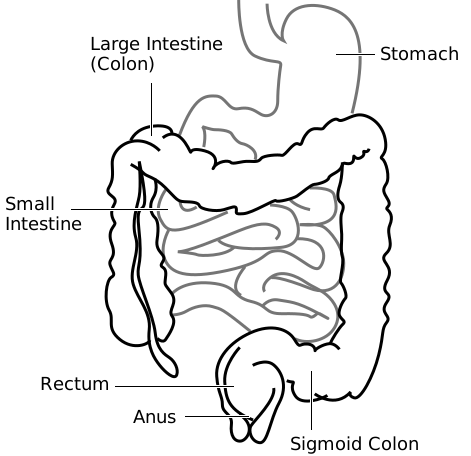
intestines
noun
The lower part of the alimentary canal from the end of the stomach to the anus.
Example: During pregnancy, although there is increased iron absorption still not enough is absorbed from the INTESTINES and greater amounts need to be taken in.
en: intestins
intravenous
adjective
Existing or taking place within, or administered into, a vein or veins.
Example: Syntocinon is given by intramuscular (IM) or INTRAVENOUS (IV) injection and takes effect in 2-3 minutes (IM) or 40 seconds (IV).
en: intraveineux
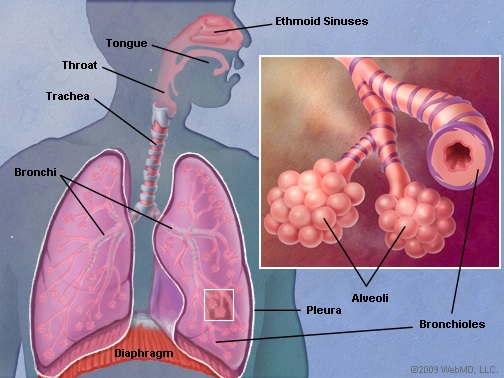
lungs
noun
Each of the pair of organs situated within the rib cage, consisting of elastic sacs with branching passages into which air is drawn, so that oxygen can pass into the blood and carbon dioxide be removed. Lungs are characteristic of vertebrates other than fish, though similar structures are present in some other animal groups.
Example: RV, residual volume, represents the amount of air remaining in the LUNGS following a maximal expiration of air from the LUNGS (all the air that remains after you have fully breathed out). FRC, functional residual capacity, is the amount of air remaining in the LUNGS following a normal breath. TLC, total lung capacity, is the total volume of the LUNGS following a maximal respiration. These are complicated to measure and involve the patient being placed in an air-tight chamber, or nitrogen washout of the LUNGS.
en: poumons
Lymph nodes
noun
A small bean-shaped structure that is part of the body's immune system. Lymph nodes filter substances that travel through the lymphatic fluid, and they contain lymphocytes (white blood cells) that help the body fight infection and disease.
Example: On examination, such patients may have enlarged, non-tender LYMPH NODES, an enlarged live and or spleen.
en: ganglions lymphatiques
Mammary glands
noun
The milk-producing gland of women or other female mammals.
Example: The MAMMARY GLANDS are highly vascular, being supplied by perforating branches of the subclavian and axillary arteries (Figure 2.1).
en: glandes mammaires
metabolism
noun
The chemical processes that occur within a living organism in order to maintain life.
Example: These adaptations are C 4 photosynthesis and Crassulacean acid METABOLISM (CAM); so named as the process was first found in the succulents of the plant family Crassulaceae.
en: métabolisme
organs
noun
A part of an organism that is typically self-contained and has a specific vital function, such as the heart or liver in humans.
Example: However pregnancy may actually limit the available diet: - An increasing foetus size (and further development of tissues and ORGANS) and a developing placenta will cause the uterus to increase in size during late pregnancy, taking up a significant space within the ewes abdomen.
en: organes
Photon
noun
A particle representing a quantum of light or other electromagnetic radiation. A photon carries energy proportional to the radiation frequency but has zero rest mass.
Example: The formula below is used to determine the energy of the PHOTON emitted (+) or absorbed (-) from the initial and final energy sates of the electron, provided you know the frequency of the PHOTON. (9) (where h = Plank's constant) This explained the stability of atoms.
en: Photon
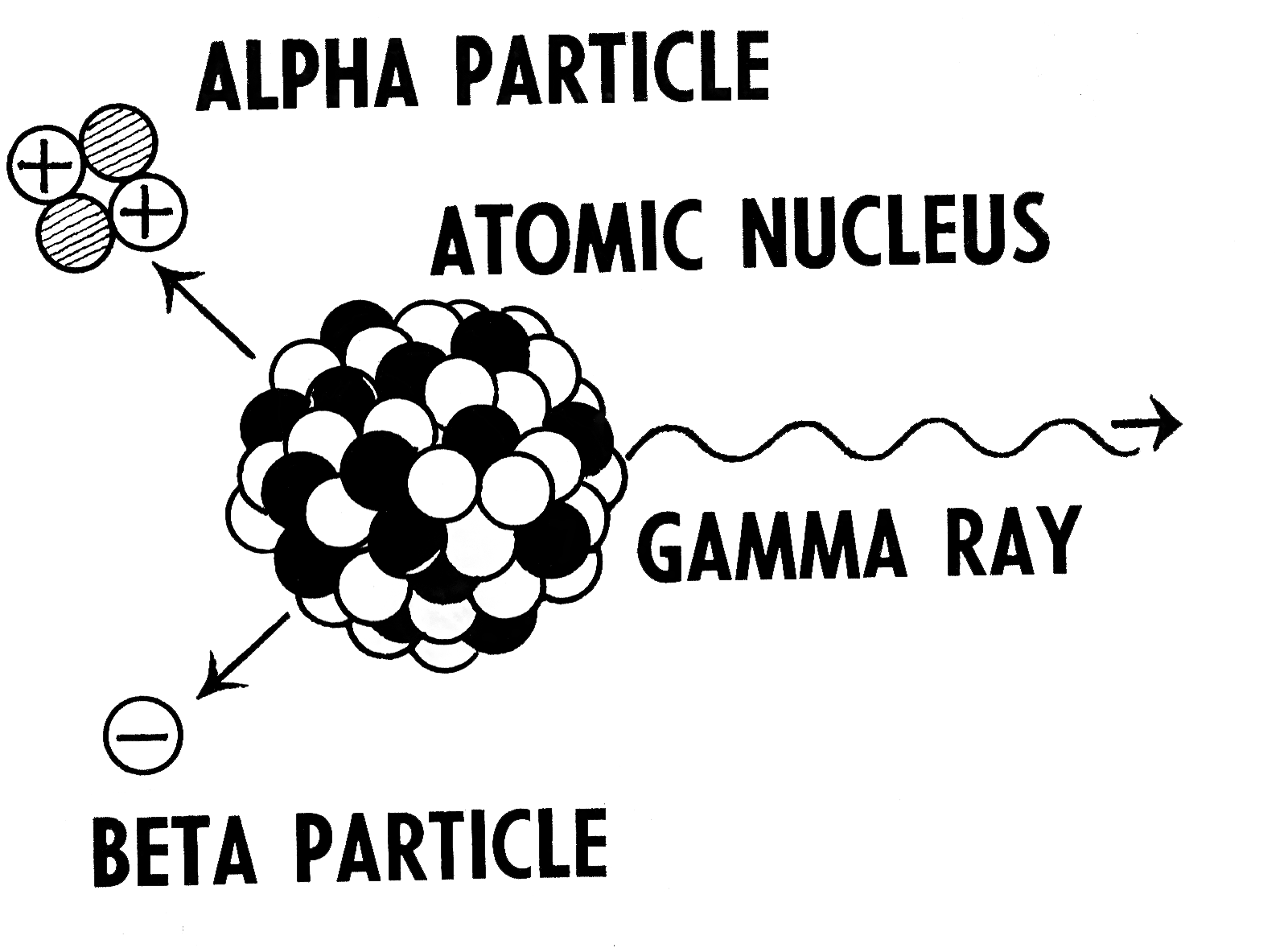
Radioactive
adjective
Emitting or relating to the emission of ionizing radiation or particles.
Example: When the RADIOACTIVE atom decays a proton in the atom becomes a neutron, emitting a positron and a neutrino.
en: Radioactif
radiopharmaceuticals
noun
A radioactive compound used for diagnostic or therapeutic purposes.
Example: Radiopharmaceuticals are taken internally, for example, through inhalation, intravenously or orally.
en: Radiopharmaceutiques
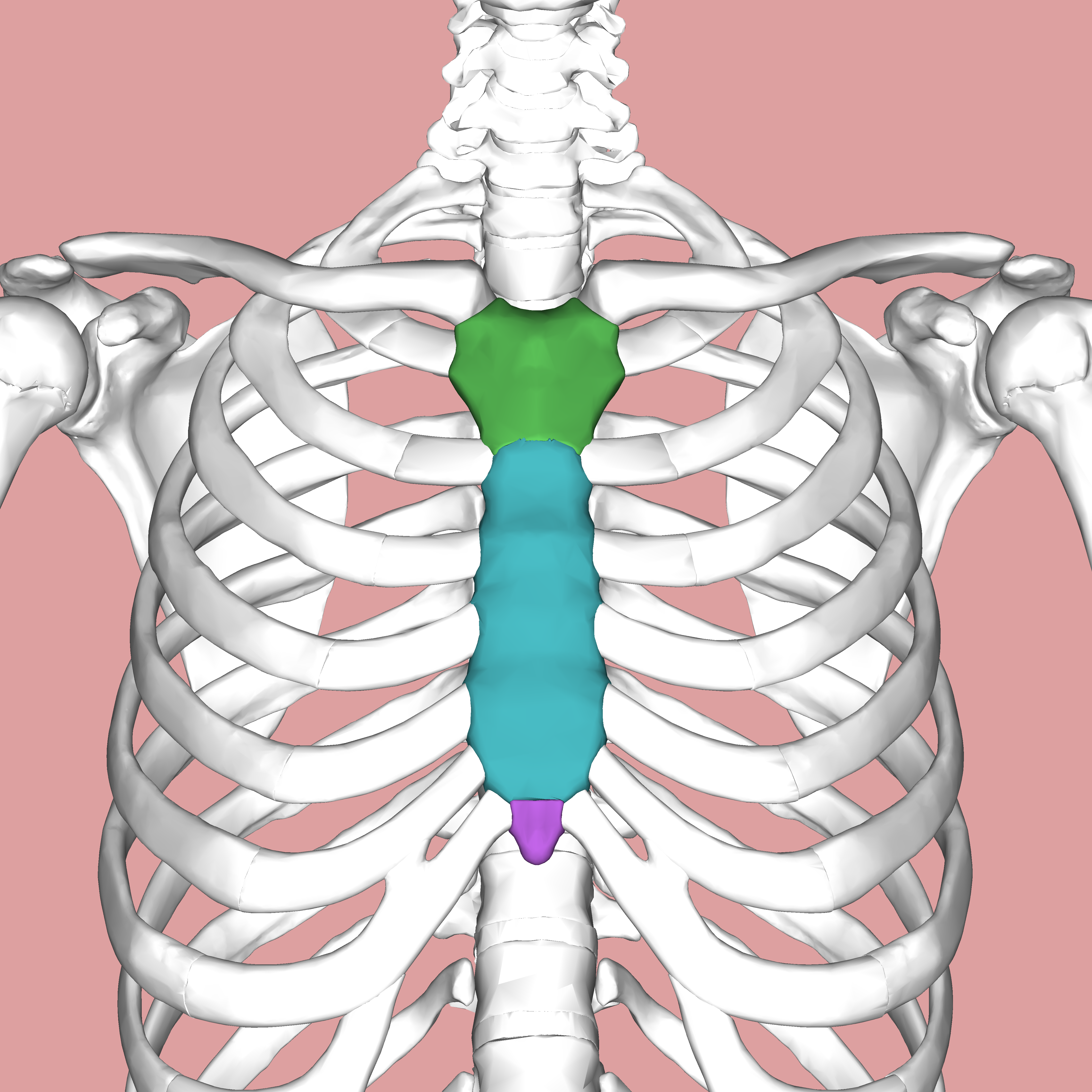
sternum
noun
The breastbone.
Example: JVP raised above 4cm at 45 degrees Bilateral pitting oedema up to knees Mr 's chest, on examination, was symmetrical with significant muscle wasting, revealing his ribs and STERNUM.
en: sternum
technetium
noun
The chemical element of atomic number 43, a radioactive metal. Technetium was the first element to be created artificially, in 1937, by bombarding molybdenum with deuterons.
Example: This procedure involves injecting a low-level radioactive tracer containing TECHNETIUM-99 and a blue dye into the tissue surrounding the mass prior to surgery, thereby allowing the surgeons to identify the sentinel node i.e. the node most likely to contain metastatic cells (Figure 6.1) (45).
en: technétium
tomography
noun
A technique for displaying a representation of a cross section through a human body or other solid object using X-rays or ultrasound.
Example: Computerised Axial TOMOGRAPHY (CAT scanning) has been used to identify lesions and tumours within the brain (Lebbin: 422).
en: tomographie
veins
noun
Any of the tubes forming part of the blood circulation system of the body, carrying in most cases oxygen-depleted blood toward the heart.
Example: The majority of emboli arise from thrombosis of deep leg VEINS (e.g. calf, popliteal, femoral and iliac VEINS).
en: veines
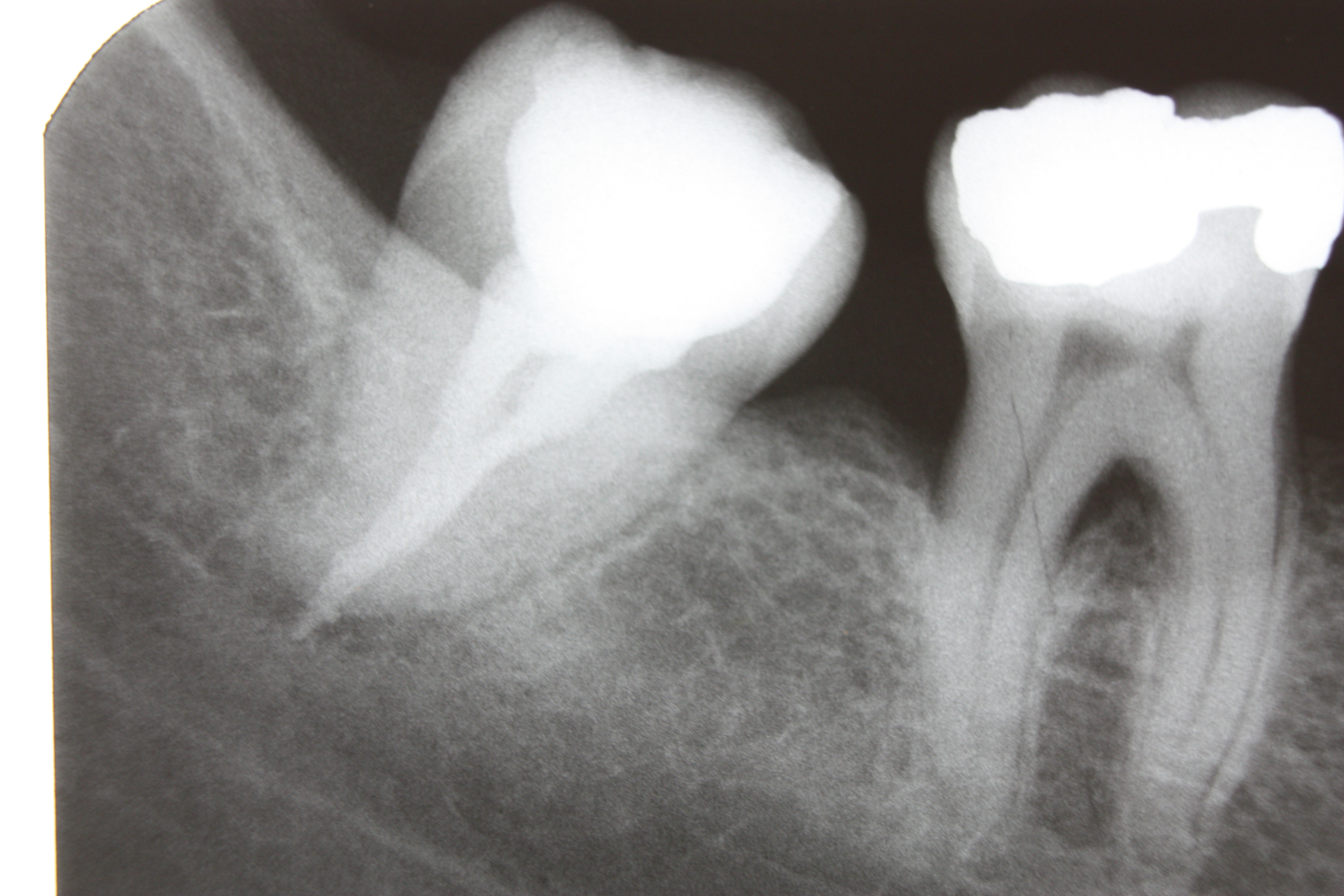
X-rays
noun
A photographic or digital image of the internal composition of something, especially a part of the body, produced by X-rays being passed through it and being absorbed to different degrees by different materials.
Example: He was shown the X-RAYS and had them explained to him.